
Whoa! I installed a new wallet extension last week to test its UX. At first it felt like any other MetaMask-like popup, simple and familiar. But as I dug into network switching, token approvals, and dApp quirks I started seeing subtle UX traps that could bite even experienced users if they weren’t paying attention. Initially I thought it was just about design, but then I realized security and multi‑chain logic were the real culprits.
Seriously? Yeah, seriously — browser wallets are the front door to your funds. Small frictions there amplify into big trouble when users approve the wrong contract or use the wrong network. On one hand the web3 space prizes composability, though actually that same composability creates attack surface across chains. My instinct said design would fix this, but my investigation showed protocol-level nuances often demand smarter wallet heuristics.
Hmm… Here’s what I look for in a modern Ethereum wallet extension. First, multi‑chain support must be thoughtful rather than messy; users shouldn’t have to juggle RPCs or copy‑paste chain IDs when moving assets between L2s and sidechains. Second, transaction signing UX should surface intent clearly, indicating token approvals and potential contract interactions in plain English. Third, risk indicators and domain context should be baked into the extension so that scams stand out before you approve anything.
Wow! A lot of wallets say ‘multi‑chain’ yet hide important tradeoffs. Some will auto-add tokens from unfamiliar networks which seems convenient until you realize those tokens were maliciously named clones built to confuse. (This part bugs me, and it should bug you too.) A wallet that offers clear provenance checks and better token labeling is worth extra attention.
Okay, so check this out— I tried an extension that promised account abstraction and gasless txs. At first it simplified onboarding, but then I noticed it relies on relayers, which adds a layer of trust and operational risk for users. The onboarding was slick yet some approvals felt opaque and underspecified. So yeah, fewer default permissions and clearer explanations would make me feel safer.
Seriously? Yes — and here’s why the right extension matters for DeFi safety. A multi‑chain wallet should visibly separate assets across networks, make chain mismatches obvious, and prevent accidental cross-chain approvals by default. It should also offer gas and fee estimates across L2s so users know the tradeoffs before sending. Initially I thought this was purely a UX challenge, but then I realized it is also a security architecture problem that requires careful design choices and ongoing maintenance.
Practical expectations and a recommendation
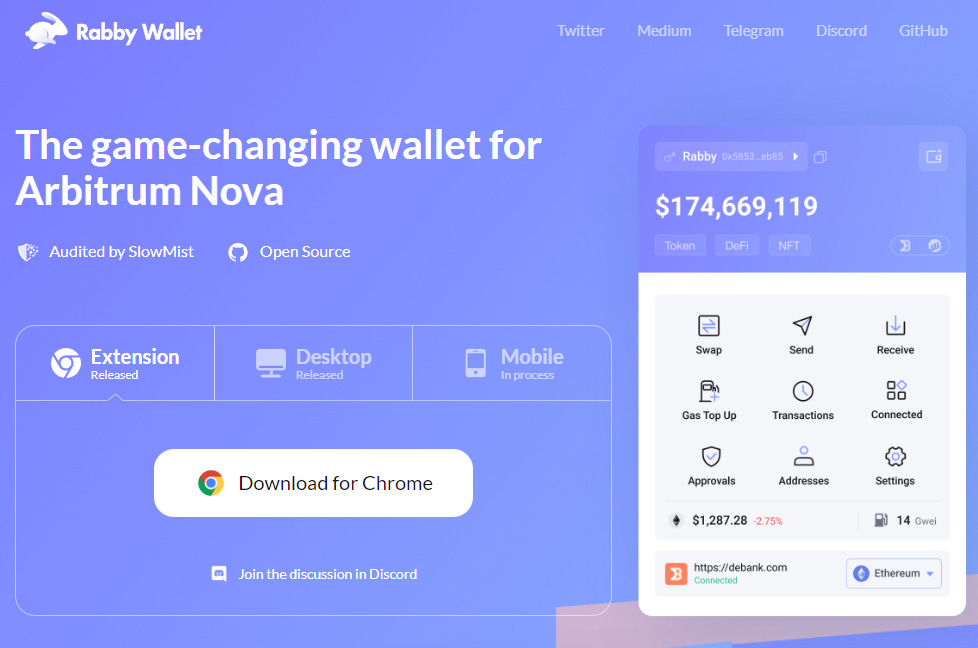
Here’s the thing. If you’re using DeFi across Ethereum, Arbitrum, Optimism, and various rollups you need a wallet that treats each chain as a distinct security domain. In practice that means network-aware notifications, automatic RPC filtering, and clear token provenance indicators. I started recommending one extension to people in my circle after repeatedly noticing how it prevented simple mistakes. That extension — the one I tell friends to try — is the rabby wallet, and it felt like the right mix of UX and security when I tested it.
Wow! Rabby’s approach to approvals, for example, makes allowances and intent explicit rather than burying details behind small text. It flags suspicious token names and surfaces contract sources so you can validate provenance quickly. The UI is not perfect, and it has rough edges (oh, and by the way… occasional RPC flakiness, somethin’ to note), but the core safeguards matter. I’m not 100% sure every advanced feature is necessary for casual users, though power users will appreciate the granular controls.
Hmm… Beyond UI, the extension’s open-source components and community audits gave me some comfort when reviewing its security posture. On the other hand, no wallet is bulletproof and you should keep seed phrases offline and use hardware accounts for large balances. A sane backup strategy and cautious permission hygiene reduce risk dramatically. Also, using separate accounts for trading versus holding can limit blast radius if something goes wrong.
Okay. For developers and advanced users, extension APIs and programmatic signing must be transparent, with clear docs and opt-in defaults. I noticed several extensions expose signing endpoints too readily, which feels risky if a dApp gets compromised. Wallets should implement strict origin isolation and user prompts that summarize the call in simple language. This is technology with real money at stake, and small API mistakes become expensive very very fast.
Seriously? Yes, because user behavior doesn’t change overnight and good defaults are the easiest way to improve safety at scale. Education helps, but design is the lever that moves most users. So when choosing an extension, prioritize those that reduce cognitive load for everyday actions. I’m biased toward wallets that put safety first, even if they sacrifice a bit of convenience for power users.
Common questions
Is a browser extension wallet safe?
Whoa! Browser extension wallets can be safe if you follow best practices like using hardware-backed accounts for large balances. They are convenient, though convenience introduces risk and you should treat approvals seriously. Use reputable extensions, verify signatures, and keep your seed phrase offline. Finally, diversify: don’t keep everything in one account or one extension.